5 Fibre Cement Myths, Debunked
Fibre cement is one of the most versatile building materials on the Kenyan market, yet outdated assumptions still shape how many people specify it. Here is what architects, contractors and homeowners should know before they build.
Myth 1: Fibre cement contains asbestos
Fact: Modern fibre cement is asbestos-free. Today’s boards are made from cement, cellulose fibres and sand and are engineered to meet current health and safety standards. The asbestos association comes from older products no longer in production. At Builders Duka, every board we supply is non-asbestos.
Myth 2: It cannot handle water
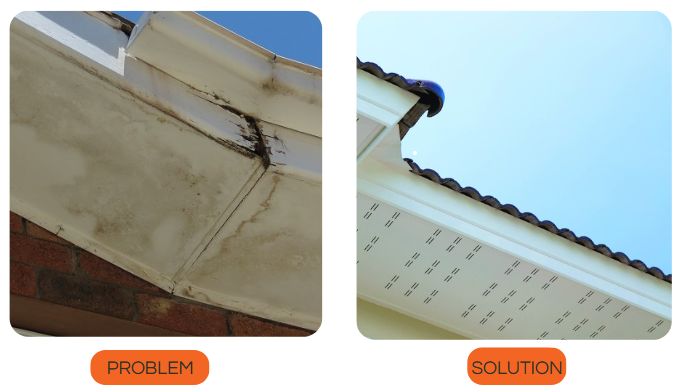
Fact: Fibre cement is water-resistant and does not rot, swell or warp the way timber and standard gypsum do. That makes it a dependable choice for external walls, eaves, bathrooms, kitchens and other damp areas.
Myth 3: It is fragile and cracks easily
Fact: Boards are strong, dimensionally stable and impact-resistant. Cracking is almost always a result of poor handling, incorrect fixing or inadequate framing, not the material itself. Correct installation by trained crews is what protects your investment.
Myth 4: It looks plain and industrial
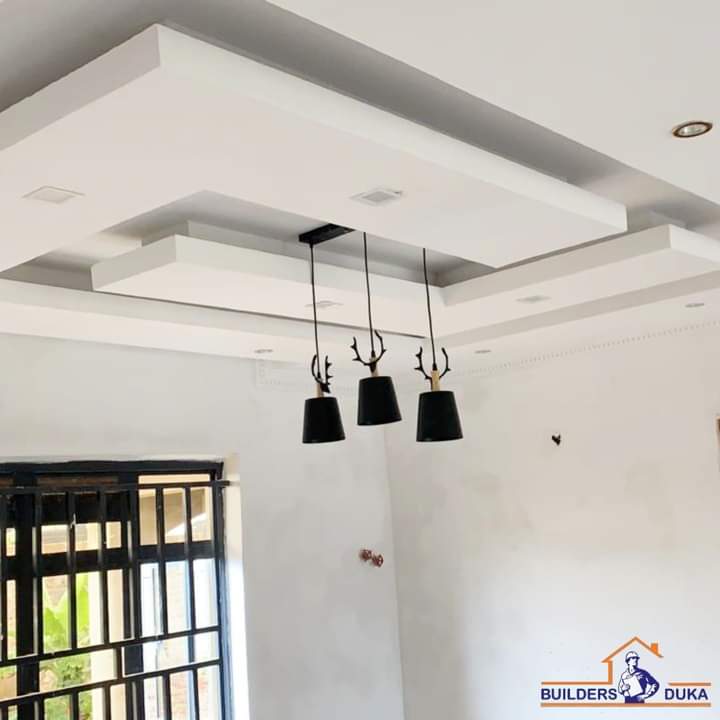
Fact: Fibre cement is now a design material. Cladding and decking planks deliver clean, contemporary finishes, from modern wood-look surfaces to smooth painted facades, and they have been specified on commercial projects such as malls as well as homes.
Myth 5: It is too expensive
Fact: Look at lifetime cost, not just the upfront price. Fibre cement resists fire, termites, moisture and weathering, so it needs less maintenance and replacement than timber or many alternatives. Over the life of a building, that means real savings.
The Bottom Line
Fibre cement is safe, durable, versatile and cost-effective when it is specified and installed correctly. Choosing a reliable supplier matters as much as choosing the material.
Ready to build with confidence? Speak to the Builders Duka team on 0720 81 41 41 or request a quote today.